%2Ffit-in%2F250x250%2Fguide_websites%2F120868%2Fimages%2F177277516924486e430db-e7a8-4fab-9153-a8bdb57bdfad.png&w=1920&q=100)
/users/75132d91-d9e3-4a58-a9ab-59455e082c36/ratecard/86e430db-e7a8-4fab-9153-a8bdb57bdfad-mmfn7m5g.png)
%2F300x300%2Fusers%2F75132d91-d9e3-4a58-a9ab-59455e082c36%2Fratecard%2F86e430db-e7a8-4fab-9153-a8bdb57bdfad-mmfn7m5g.png&w=256&q=75)
%2F300x300%2Fusers%2F75132d91-d9e3-4a58-a9ab-59455e082c36%2Fimages%2Fbass-catch-auburn-michigan-fishing-2767.jpg&w=256&q=75)
%2F300x300%2Fusers%2F75132d91-d9e3-4a58-a9ab-59455e082c36%2Fimages%2Fauburn-mi-bass-fishing-catch-2307.jpg&w=256&q=75)
%2F300x300%2Fusers%2F75132d91-d9e3-4a58-a9ab-59455e082c36%2Fimages%2Fauburn-mi-fishing-adventure-2375.jpg&w=256&q=75)
%2F300x300%2Fusers%2F75132d91-d9e3-4a58-a9ab-59455e082c36%2Fimages%2Fauburn-michigan-catch-release-fishing-2304.jpg&w=256&q=75)
%2F300x300%2Fusers%2F75132d91-d9e3-4a58-a9ab-59455e082c36%2Fimages%2Ffishing-boat-marina-auburn-mi-2314.jpg&w=256&q=75)
Half Day Bass Fishing Detroit River Captain Gill
 Detroit River
What you will be catching:
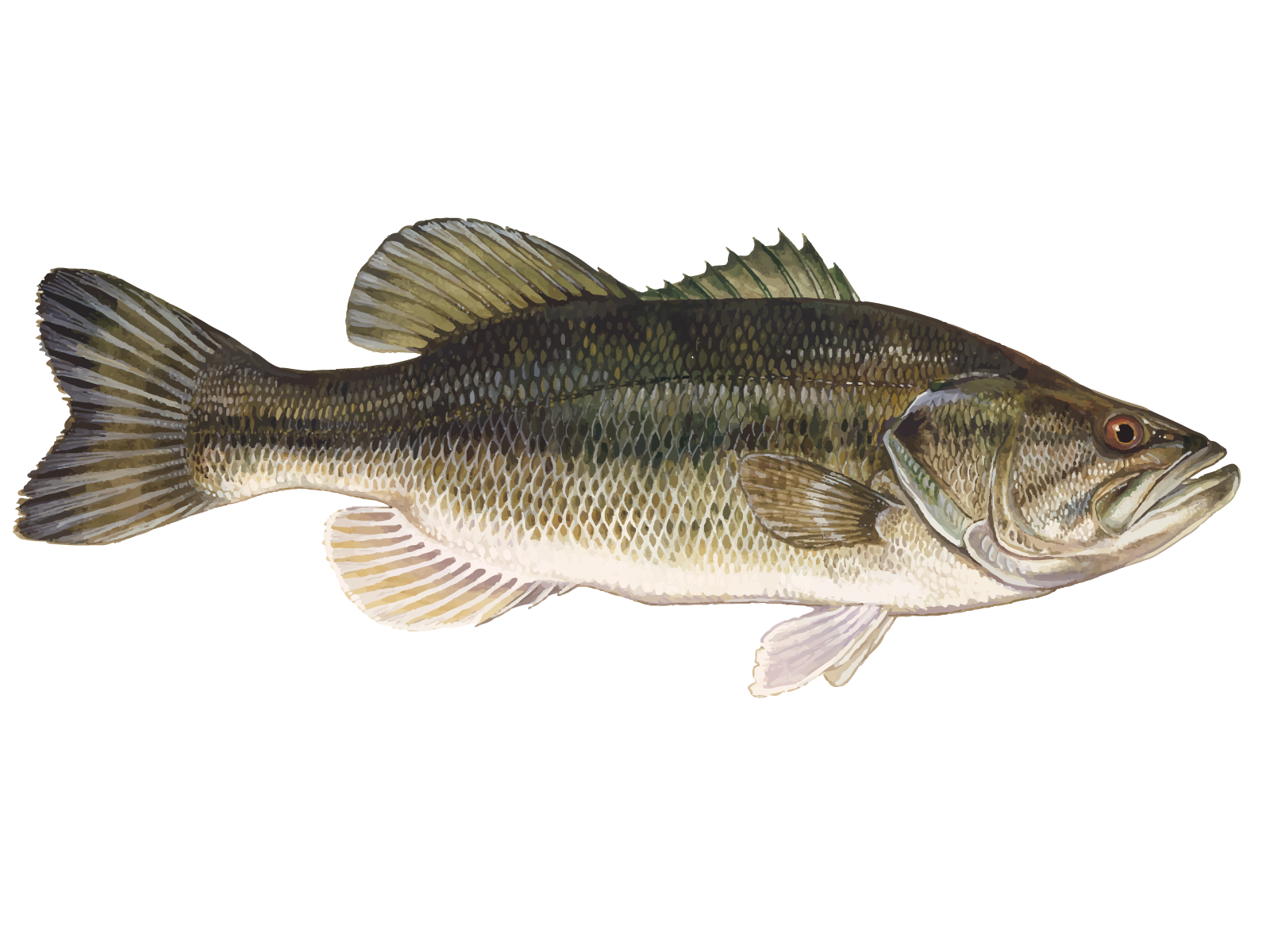 Largemouth Bass
 Smallmouth Bass
- Captain Timothy Gill takes you out on the Detroit River for a solid 4-hour bass fishing trip targeting both largemouth and smallmouth bass. You'll fish from his Ranger Z21 Comanche, hitting the best spots along this productive Michigan waterway. Whether you're just starting out or have been fishing for years, Tim provides hands-on instruction and shares local techniques that work on these waters. The trip accommodates up to 2 guests, so it stays personal and focused on helping you improve your skills. You'll launch from Auburn and spend the day working proven bass structure and cover where these fish like to hang out.
Trip Pricing and Availabilities:
Half Day Bass Fishing Trip in Detroit River
When you're looking for solid bass action without burning a whole weekend, Captain Timothy Gill's half-day trips on the Detroit River deliver exactly what Michigan anglers crave. This isn't some cookie-cutter charter operation - Tim runs a tight ship with his Ranger Z21 Comanche, keeping groups small at just 2 guests so you get the personal attention that actually improves your game. Whether you're still figuring out how to work a spinnerbait or you've been chasing bass for decades, these 4-hour sessions hit that sweet spot between learning something new and putting fish in the boat. The Detroit River system around Auburn offers some of Michigan's most consistent bass fishing, and Tim knows every ledge, weedline, and current break where these fish like to hang out.
What to Expect on the Water
Your day starts early at the Auburn launch, where Tim's got the Ranger ready to roll with all the gear you'll need. The boat's built for efficiency and comfort - no cramped quarters or sketchy equipment here. Tim's approach is hands-on but not overbearing; he'll show you the techniques, explain why certain lures work in specific spots, and then let you work the water yourself. The Detroit River has incredible structure variety, from rocky points perfect for smallmouth to weedy bays where largemouth love to ambush prey. You'll move between spots based on conditions and what the fish are telling you, learning to read water like a local pro. Tim's been guiding these waters long enough to know when to stick with what's working and when to switch things up, so you're not wasting time on dead water.
Techniques & Tackle
The Detroit River demands versatility, and Tim's got you covered with proven techniques that produce results. You'll work everything from deep-diving crankbaits along the channel edges to finesse presentations in shallow cover. The current here is what makes this fishery special - it keeps baitfish moving and bass actively feeding, but you need to understand how to use it to your advantage rather than fight against it. Tim provides all the rods and tackle, but he's not just handing you gear and pointing you toward the water. He'll walk you through why a certain rod action works better for specific techniques, how to feel the difference between a bite and bottom contact, and when to set the hook versus when to wait. The boat's equipped with quality electronics, but Tim also teaches old-school methods for reading structure and finding fish that'll serve you well on any water.
Top Catches This Season
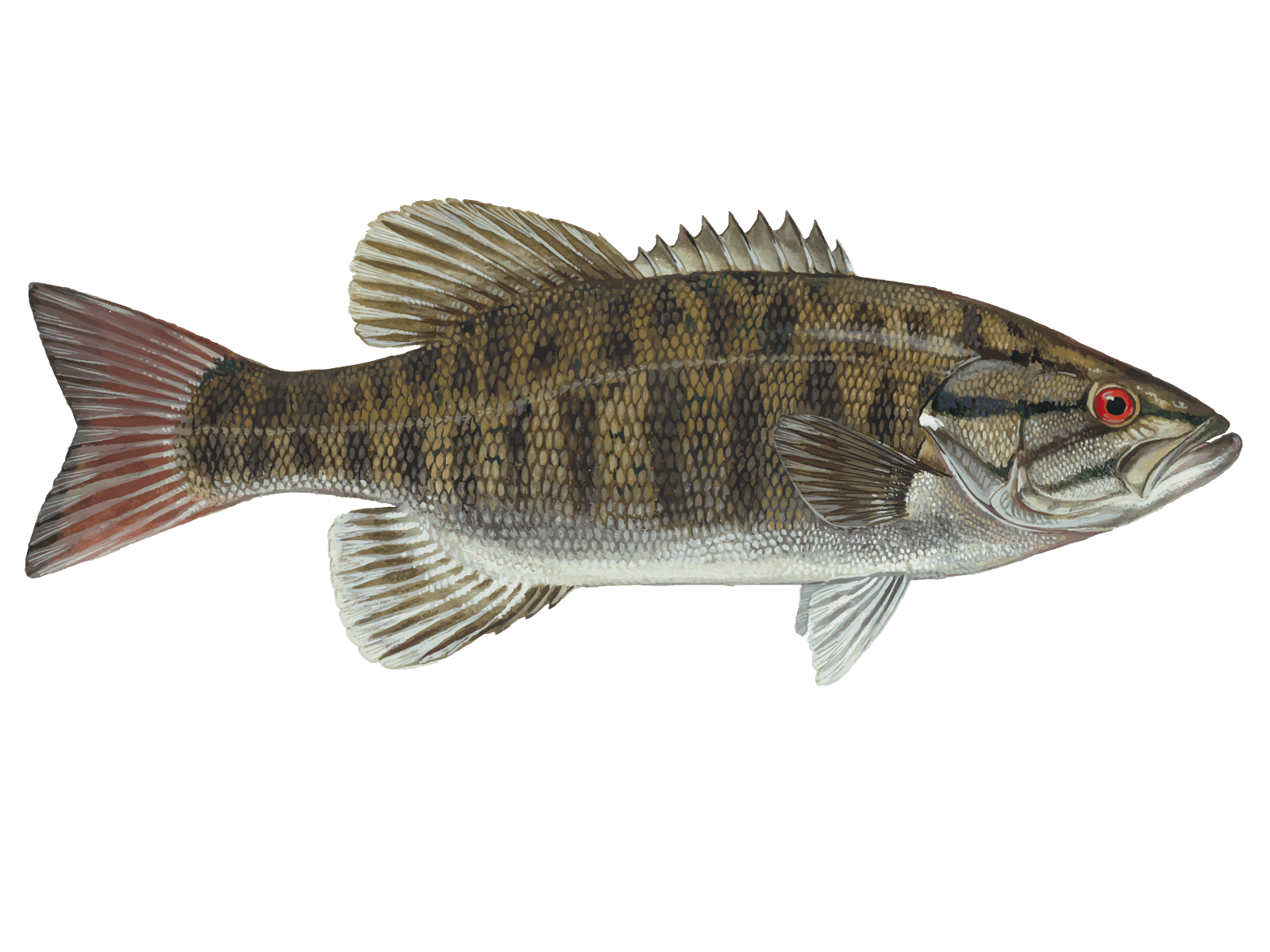
Smallmouth bass in the Detroit River are the real stars of the show, and for good reason. These bronze-backed fighters typically run 2-4 pounds, with plenty of chunky 3+ pounders that'll test your drag and your technique. Peak smallmouth action runs from late spring through early fall, when they're actively feeding on the abundant crayfish and baitfish populations. What makes Detroit River smallies special is their attitude - the current keeps them aggressive and when they hit, they mean business. You'll find them relating to rock piles, drop-offs, and current breaks where they can ambush food coming downstream. They're notorious for their aerial displays once hooked, and Tim always gets a kick out of watching first-timers experience that classic smallmouth jump.
Largemouth bass here might not get as much press as their smallmouth cousins, but they're equally impressive and often bigger. These fish love the river's backwater areas and weed edges, where they can use cover to their advantage. Spring and early summer are prime time when largemouth move shallow for spawning activities, but they remain catchable year-round if you know where to look. Detroit River largemouth average 3-5 pounds, with legitimate 6+ pound fish possible on any cast. They're ambush predators by nature, so presentations need to trigger that strike instinct - something Tim excels at teaching. The satisfaction of pulling a chunky largemouth from heavy cover never gets old, and these fish have the size to make every hookset count.
Time to Book Your Spot
This half-day format is perfect for anyone wanting quality bass fishing without the full-day commitment. Tim's personalized instruction means you'll leave as a better angler, whether you're picking up your first rod or looking to dial in techniques for your home waters. The Detroit River consistently produces fish, and with only 2 spots available per trip, you're getting the kind of attention that makes the difference between a good day and a great one. Extended options are available if you find yourself having too much fun to quit, and Tim's flexible approach means your trip gets customized to what's working and what you want to learn. Don't wait around hoping for perfect conditions - the Detroit River fishery is strong year-round, and Tim's expertise ensures you'll be on fish regardless of the day's variables.
Learn more about the species
Largemouth Bass
Largemouth bass are the classic freshwater gamefish that keeps anglers coming back. These green giants average 12-24 inches and can push 4-5 pounds in the Detroit River. Look for them around weed beds, fallen trees, and shallow bays where they ambush prey. They love cover - the thicker the better. Spring through fall offers great action, with shallow water fishing best in cooler months. What guests love most is the explosive topwater strikes and bulldogging fights these bass deliver. Their oversized mouth means they'll eat almost anything, making them perfect for beginners. The meat is decent eating when taken from clean water, though many folks prefer catch and release. Here's a local trick: when fishing heavy cover, use a Texas-rigged worm and don't be afraid to punch through the weeds - that's where the biggest bass hide.
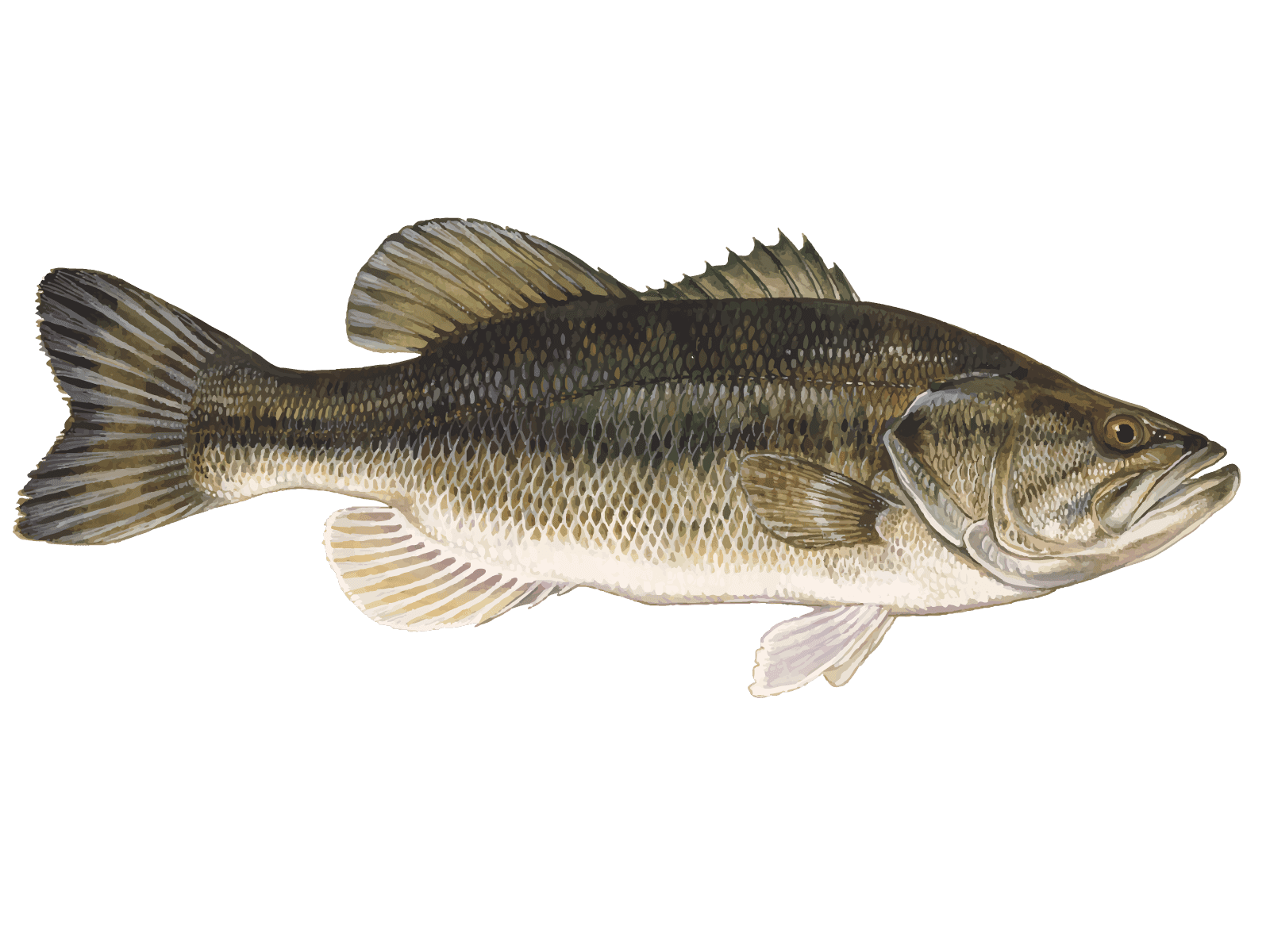
Smallmouth Bass
Smallmouth bass are scrappy fighters that'll test your skills on light tackle. These bronze-backed beauties average 12-18 inches and love rocky structure and drop-offs along the Detroit River. You'll find them in 8-25 feet of water, especially around boulders and current breaks. Spring and fall are prime time when they're shallow and aggressive, but summer can be productive if you fish deeper water early morning or evening. What makes smallies special is their fight - pound for pound, they're stronger than their largemouth cousins. They hit hard and jump often, making every hookup exciting. The meat is firm and tasty too, with a mild flavor that's perfect grilled. Pro tip: when fishing rocky areas, let your jig or tube bait fall naturally into the crevices - that's where the big ones hide.
About the Ranger Z21 Comanche
%2F%2Fusers%2F75132d91-d9e3-4a58-a9ab-59455e082c36%2Fvehicle_picture%2F78116353_2678688879025353_3937838690868396032_n-mmeeewjn.jpg&w=1920&q=75)
Vehicle Guest Capacity: 4
Manufacturer Name: Evinrude
Maximum Cruising Speed: 35
Number of Engines: 1
Horsepower per Engine: 250