%2Ffit-in%2F250x250%2Fguide_websites%2F120868%2Fimages%2F177277516924486e430db-e7a8-4fab-9153-a8bdb57bdfad.png&w=1920&q=100)
/users/75132d91-d9e3-4a58-a9ab-59455e082c36/ratecard/86e430db-e7a8-4fab-9153-a8bdb57bdfad-mmfngulw.png)
%2F300x300%2Fusers%2F75132d91-d9e3-4a58-a9ab-59455e082c36%2Fratecard%2F86e430db-e7a8-4fab-9153-a8bdb57bdfad-mmfngulw.png&w=256&q=75)
%2F300x300%2Fusers%2F75132d91-d9e3-4a58-a9ab-59455e082c36%2Fimages%2Fbass-catch-auburn-michigan-fishing-2767.jpg&w=256&q=75)
%2F300x300%2Fusers%2F75132d91-d9e3-4a58-a9ab-59455e082c36%2Fimages%2Fauburn-mi-bass-fishing-catch-2307.jpg&w=256&q=75)
%2F300x300%2Fusers%2F75132d91-d9e3-4a58-a9ab-59455e082c36%2Fimages%2Fauburn-mi-fishing-adventure-2375.jpg&w=256&q=75)
%2F300x300%2Fusers%2F75132d91-d9e3-4a58-a9ab-59455e082c36%2Fimages%2Fauburn-michigan-catch-release-fishing-2304.jpg&w=256&q=75)
%2F300x300%2Fusers%2F75132d91-d9e3-4a58-a9ab-59455e082c36%2Fimages%2Ffishing-boat-marina-auburn-mi-2314.jpg&w=256&q=75)
6 Hour Bass Trip Detroit River Auburn MI Captain Gill
 Detroit River
What you will be catching:
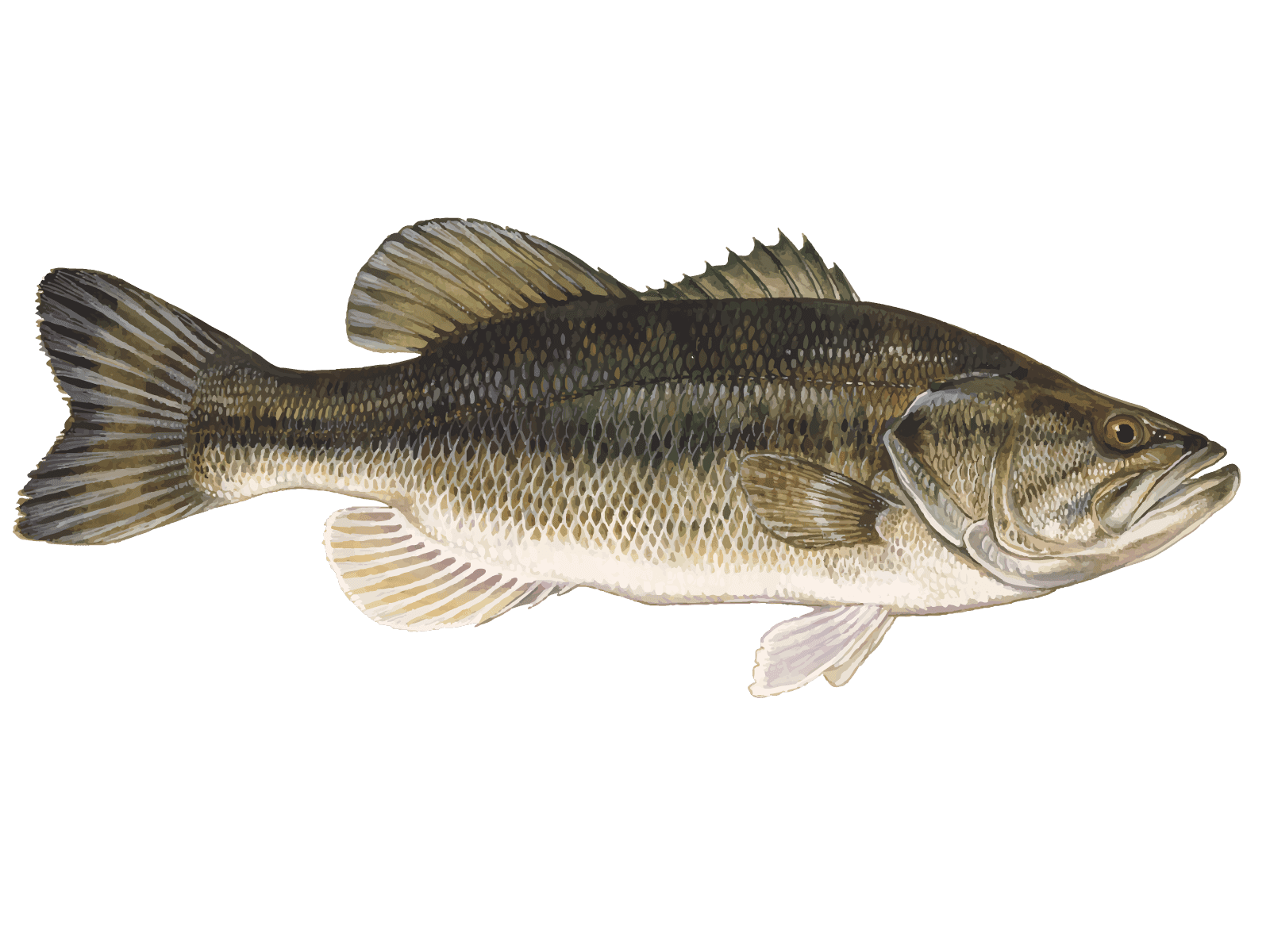
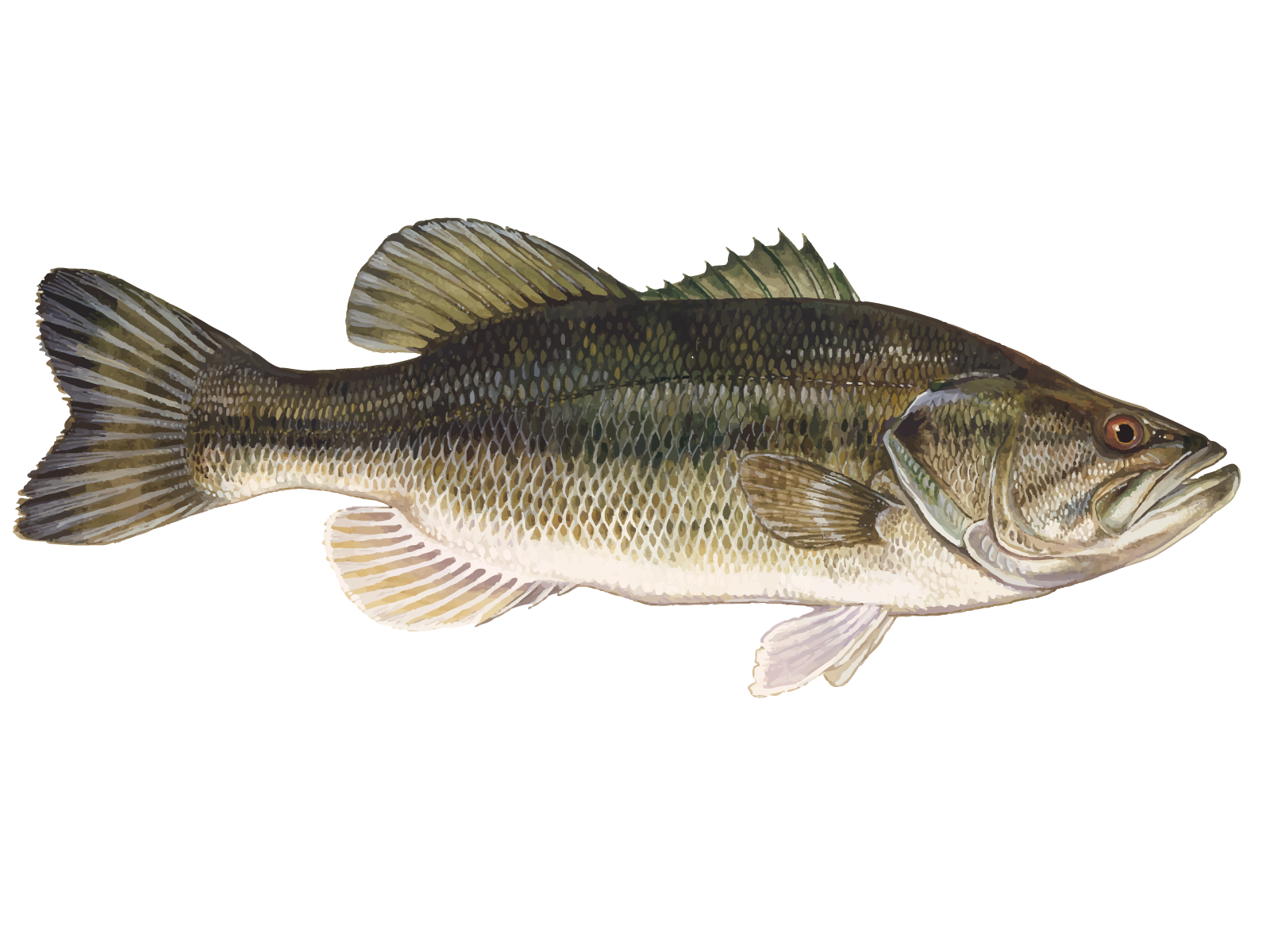 Largemouth Bass
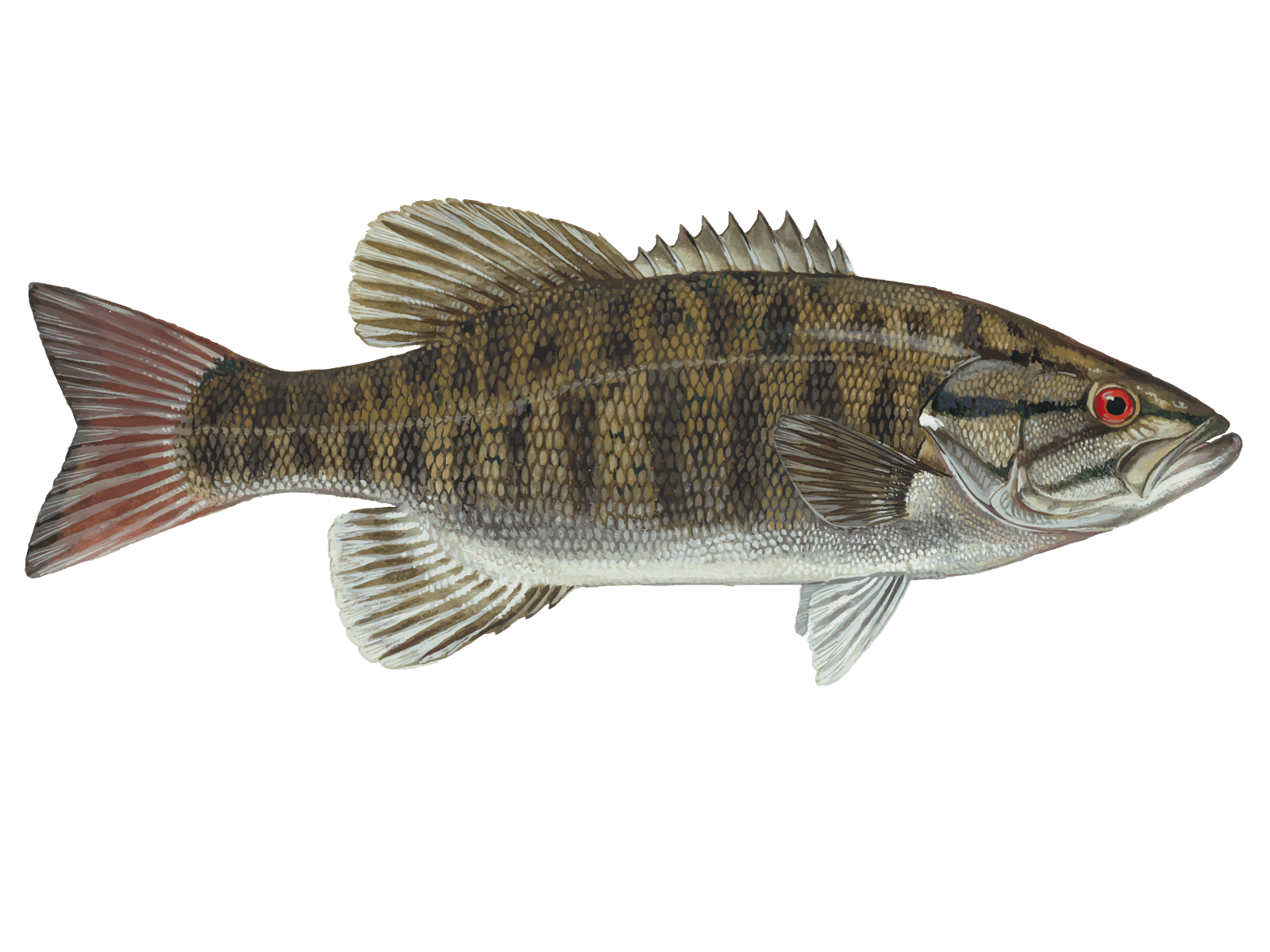
 Smallmouth Bass
- Join Captain Timothy Gill for six hours of serious bass fishing on the Detroit River. This extended half-day trip targets both largemouth and smallmouth bass in some of Michigan's most productive waters. Perfect for up to 2 anglers of any skill level, you'll fish from his well-equipped Ranger Z21 Comanche while learning proven techniques and local hotspots. Captain Gill provides hands-on coaching to help improve your bass fishing game, whether you're just starting out or looking to sharpen your skills. The Detroit River consistently produces quality fish, and this extended format gives you plenty of time to work different areas and really dial in the bite.
Trip Pricing and Availabilities:
Extended Half Day Bass Fishing on Detroit River
Captain Timothy Gill knows the Detroit River like the back of his hand, and he's ready to put you on some serious bass action. This six-hour adventure gives you plenty of time to dial in your technique while chasing both largemouth and smallmouth bass in one of Michigan's most productive waterways. Whether you're brand new to bass fishing or you've been at it for years, Tim's got the knowledge and patience to make sure you walk away a better angler. His Ranger Z21 Comanche cuts through the water smooth as silk, getting you to the hot spots without burning half your day running around. With room for up to two guests, this is your chance to get personalized attention and really focus on improving your game.
What to Expect on the Water
The Detroit River connects Lake Huron to Lake Erie, creating a unique fishery that holds bass year-round. Captain Tim launches from Auburn and knows exactly where to find fish based on the season, weather, and water conditions. You'll spend six solid hours working different structures, current breaks, and depth changes that bass love to call home. The beauty of this extended trip is you're not rushed – there's time to work a spot thoroughly, try different presentations, and really understand what makes these fish tick. Tim provides all the tackle you'll need, from finesse rigs for picky smallmouth to power fishing setups when the largemouth are aggressive. He'll teach you how to read the water, pick the right bait, and feel the difference between a bite and bottom contact. The Ranger boat gives you a stable platform to fish from, with plenty of deck space to move around and fight fish properly.
Techniques That Get Results
Detroit River bass fishing is all about adapting to current and structure. Tim will show you how to work drop shots along rocky ledges where smallmouth hang out, and how to flip jigs into wood cover where largemouth ambush prey. The river's current means you need to adjust your retrieve speed and bait weight constantly – something that takes experience to master. You'll learn how to use the current to your advantage, positioning the boat so your bait looks natural as it moves past feeding fish. Topwater action can be world-class during the right conditions, and there's nothing like watching a three-pound smallmouth explode on a popper in shallow water. Tim carries a full arsenal of proven baits – everything from tubes and grubs to crankbaits and spinnerbaits. He'll explain when and why to use each one, so you can apply these lessons on your home waters. The key to consistent success here is understanding how bass relate to current breaks, and Tim breaks it down in a way that makes perfect sense.
Species You'll Want to Hook
Smallmouth bass are the stars of the Detroit River system, and for good reason. These bronze fighters average 2-4 pounds but can push six pounds or better if you're lucky. They prefer rocky areas, current breaks, and drop-offs where they can ambush crayfish and baitfish. Spring and fall offer the best action when water temperatures are in that sweet spot between 55-70 degrees. What makes smallmouth so addictive is their fighting ability – pound for pound, they're one of the scrappiest fish you'll ever hook. They'll jump, run, and shake their heads like they're trying to throw every hook in your tackle box. The Detroit River's current makes them even stronger, and Tim knows exactly where they stage throughout the season.
Largemouth bass in the Detroit River system behave differently than their lake cousins, using current and structure combinations to feed more aggressively. These green machines love wood cover, weed edges, and protected bays where they can set up ambush points. They typically run 2-5 pounds, with the occasional monster pushing seven or eight pounds. Summer months can be fantastic for topwater action early and late in the day, while spring offers some of the most consistent fishing as they move shallow to spawn. Largemouth are more opportunistic feeders than smallmouth, which means they'll often hit reaction baits like spinnerbaits and crankbaits when you're covering water quickly. The satisfaction of pulling a chunky largemouth out of heavy cover never gets old, and Tim knows every stump, log, and weed bed that holds fish.
Time to Book Your Spot
Six hours with Captain Tim on the Detroit River gives you the perfect balance of learning and fishing. You'll come away with new techniques, better boat positioning skills, and hopefully some great photos of quality bass. This trip works for couples, father-son duos, or best friends looking to spend a day doing what they love most. The extended format means you're not watching the clock – just focused on the next bite and the next lesson. Tim's reputation as a top-rated guide speaks for itself, and his repeat customers know they're getting honest advice and consistent results. The Detroit River fishery keeps producing year after year, and with Tim's local knowledge guiding your efforts, you're set up for success from the moment you step aboard.
Learn more about the species
Largemouth Bass
Largemouth bass are the classic game fish that most folks think of when they hear "bass fishing." Running 12-24 inches on average, they're built for ambush with that massive mouth that extends past their eyes. In the Detroit River, you'll find them tucked into weedy areas, around fallen timber, and along slower current breaks. They love cover and aren't as picky about water clarity as their smallmouth cousins. Spring through fall are your best bets, especially early morning and evening. What guests love is the aggressive strikes and aerial shows when hooked. They're also great eating if you keep a few for dinner. My go-to trick here is throwing spinnerbaits along weedlines - the flash and vibration drives them crazy, and you can cover water fast to locate active fish.
Smallmouth Bass
Smallmouth bass are the scrappy fighters of the Detroit River, averaging 18-20 inches and putting up battles way beyond their size. These bronze-backed beauties love rocky bottoms and clear water, which the Detroit River has plenty of. You'll find them around structure - bridge pilings, drop-offs, and rock piles in 8-25 feet of water. Spring and fall are prime time when they're actively feeding in shallower areas. Summer pushes them deeper where it's cooler. What makes smallmouth special is their fight - they'll jump, dive, and fight every inch of the way to the boat. The meat is firm and mild, perfect for the table. Pro tip: when the water's clear, downsize your line to 8-pound test. These fish are line-shy and you'll get more bites with lighter tackle.
About the Ranger Z21 Comanche
%2F%2Fusers%2F75132d91-d9e3-4a58-a9ab-59455e082c36%2Fvehicle_picture%2F78116353_2678688879025353_3937838690868396032_n-mmeeewjn.jpg&w=1920&q=75)
Vehicle Guest Capacity: 4
Manufacturer Name: Evinrude
Maximum Cruising Speed: 35
Number of Engines: 1
Horsepower per Engine: 250